
Weld stainless steel is a valuable skill for both professionals and DIY enthusiasts. Known for its corrosion resistance, durability, and aesthetic appeal, stainless steel is widely used in industries such as automotive, construction, and manufacturing. This comprehensive guide will walk you through the process of welding stainless steel from various angles, ensuring you achieve strong, clean, and professional-looking welds.
Understanding Stainless Steel and Its Properties
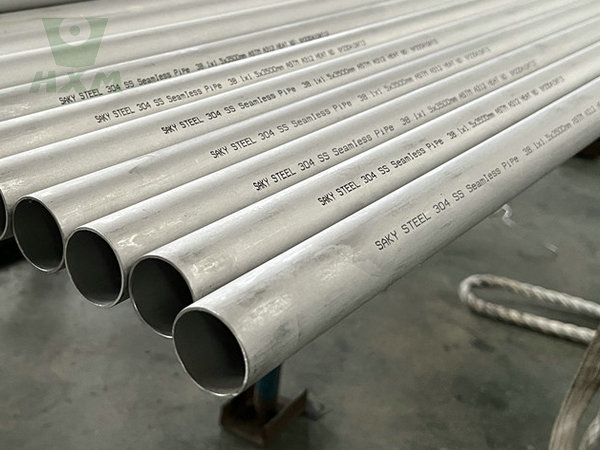
Before diving into welding, it’s crucial to understand the different types of weld stainless steel and their properties. The two most common grades used in welding are 304 and 316 stainless steel.
- 304 Stainless Steel: This grade is the most widely used due to its excellent corrosion resistance and formability. It’s ideal for indoor and light outdoor applications, such as kitchen equipment and automotive parts.
- 316 Stainless Steel: Known for its superior corrosion resistance, especially in harsh environments, this grade is often used in marine, chemical, and pharmaceutical applications.
Weld Stainless steel contains at least 10.5% chromium, which forms a thin oxide layer on the surface, preventing rust and corrosion. However, this high chromium content also makes stainless steel more sensitive to heat distortion and spatter during welding.
Essential Welding Techniques for Stainless Steel
Three main methods are used, each with its advantages:
TIG Welding (GTAW): The preferred method for high-quality, precision welds. It uses a non-consumable tungsten electrode and a separate filler rod, offering unparalleled control over heat input and weld puddle. Ideal for thin gauge materials, critical applications, and where aesthetics matter.
MIG Welding (GMAW): Best for longer production runs and thicker sections. It uses a consumable wire electrode fed automatically through a gun, making it faster than TIG. Use a tri-mix shielding gas (Helium/Argon/CO2) for best results. Requires excellent fit-up.
Stick Welding (SMAW): Used primarily for field repairs and construction where portability is key. It’s less dependent on wind and weather than gas-shielded processes but produces more spatter and requires more post-weld cleaning.
TIG Weld Stainless Steel
Tungsten Inert Gas (TIG) welding is the preferred method for achieving the cleanest, highest-quality weld stainless steel.
Equipment and Setup:
Machine: DCEN (Direct Current Electrode Negative).
Tungsten Electrode: 2% Lanthanated or Ceriated Tungsten is an excellent choice.
Shielding Gas: Pure Argon is standard. For superior results on heavier sections or to improve weld fluidity, a mixture of Argon with 2-5% Hydrogen can be used. Back purging with argon is critical for full penetration welds to prevent oxidation on the root side.
Filler Metal: Select a filler rod that matches or exceeds the base metal’s corrosion resistance (e.g., ER308L for 304/L, ER316L for 316/L).
Technique and Tips:
Heat Control: Use a foot pedal or thumb control to precisely manage heat input, starting and finishing smoothly to prevent craters.
Torch and Filler Manipulation: Maintain a short arc length (1-2 mm). Hold the torch at a 75-80° angle to the workpiece and feed the filler rod into the leading edge of the weld puddle at a low angle.
Pulsing: If your machine has a pulse function, use it. Pulsing helps minimize heat input, control penetration, and reduce distortion, especially on thin gauge material.
MIG Weld Stainless Steel
Metal Inert Gas (MIG) welding is the go-to process for productivity on thicker sections.
Equipment and Setup:
Machine: Use short-circuit transfer for thin gauge and spray transfer for thicker materials.
Shielding Gas: Standard C10 or C25 gases used for mild steel are NOT suitable. The industry standard is a Tri-Mix gas. Helium increases heat input, while the small amount of CO2 stabilizes the arc.
Filler Metal: Use the same filler metal classification as TIG (e.g., ER308L), but in wire form on a spool.
Technique and Tips:
Push Technique: Always use a push technique (angling the gun 10-15 degrees in the direction of travel) for better gas coverage and a flatter bead profile.
Cleanliness is Critical: Ensure your MIG gun liner and drive rolls are clean and dedicated to stainless steel to avoid carbon steel contamination.
Stick Weld Stainless Steel
Shielded Metal Arc Welding (SMAW or “Stick”) is a versatile option for repair and construction where portability is key.
Electrode Selection:
Austenitic Electrodes: Provide good corrosion resistance and mechanical properties. The “-16” indicates a versatile, easy-to-use coating.
Basic/Low-Hydrogen Electrodes : Require DC+ polarity and offer superior weld metal toughness and crack resistance, but are more difficult to use.
Technique and Tips:
Short Arc Length: Maintain a very short arc length to protect the molten weld metal from the atmosphere.
Weaving: Use a slight weave or a straight drag technique, but avoid a wide weave that can expose the weld to contamination.
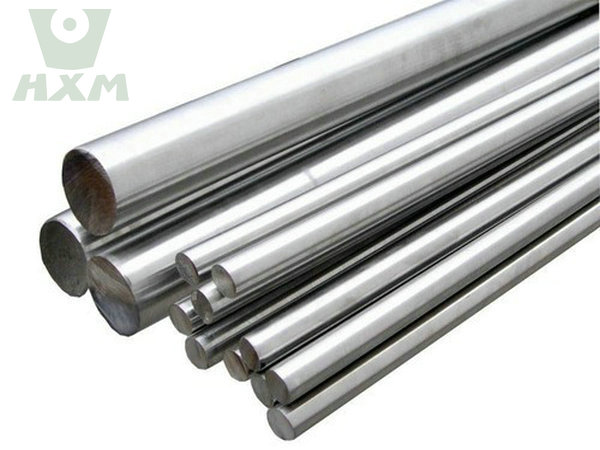
Crucial Post-Weld Treatment and Finishing
The heat tints (straw, blue, purple, gray) visible after welding are oxidized layers that indicate depleted chromium. Removing them is essential to restore maximum corrosion resistance.
Mechanical Methods:
Stainless Steel Brushing: Effective for light discoloration. Always brush in the direction of the grind marks.
Grinding/Polishing: Use a progression of abrasive discs or belts, starting with a coarse grit and moving to a finer one for a smooth finish.
Chemical Methods:
Pickling Paste: A specially formulated acid paste is applied to the weld area, left for a specified time, and then rinsed off. It dissolves the heat tint and restores the passive layer.
Electropolishing: An electrochemical process that provides the most uniform and hygienic finish, ideal for food, pharmaceutical, and high-purity applications.
Troubleshooting Common Stainless Steel Welding Defects
| Defect | Possible Cause | Solution |
|---|---|---|
| Weld Rusting | Carbon steel contamination, excessive heat input, lack of post-weld cleaning. | Use dedicated tools, control heat, perform pickling/passivation. |
| Hot Cracking | Incorrect filler metal, high restraint, excessive heat input. | Use a filler with a small amount of ferrite (e.g., 308L), change welding sequence. |
| Excessive Distortion | Too much heat, insufficient clamping, improper welding sequence. | Use more clamps and tack welds, employ skip/backstepping techniques. |
| Burn-Through | Excessive amperage, slow travel speed (common on thin sheet). | Lower amperage, increase travel speed, use pulsed MIG or TIG. |
| Porosity | Inadequate gas coverage, windy conditions, contaminated base metal. | Check gas flow and hoses for leaks, shield from wind, clean base metal thoroughly. |
Why Your Choice of Material Matters as Much as Your Technique
You can execute a perfect weld stainless steel, but if your raw material is inferior, the final product will be too. Low-quality weld stainless steel can have inconsistent chemistry, leading to poor weldability and unpredictable corrosion performance.
At Huaxiao Metal Company, we supply only certified premium stainless steel:
Mill Test Reports: Every batch comes with a full MTC (EN 10204 3.1), guaranteeing chemical composition and mechanical properties.
Cleanliness & Finish: Our material is meticulously handled and packaged to arrive free of contaminants that could compromise your weld.
Expert Support: Our team includes welding specialists who can provide technical advice on material selection and best practices for your specific project.
Weld stainless steel is a skill that demands respect for the material’s properties, meticulous preparation, and practiced technique. By understanding the fundamentals of metallurgy, choosing the appropriate process, and executing a careful procedure from cleaning to post-weld treatment, you can consistently produce welds that are not only structurally sound but also visually impressive and truly corrosion-resistant.
Ready to start your next weld stainless steel project with confidence? Buy Alloy is your trusted partner for premium materials. We supply a wide range of stainless steel grades in sheet, plate, tube, and bar forms, along with high-quality filler metals and welding accessories. Our technical experts are here to help you select the perfect material for your application.
Contact Us Today or browse our online inventory to get everything you need for your next fabrication success.
FAQ
Can you weld stainless steel to mild steel?
Yes, but it requires a specific high-nickel filler metal like 309L. Be aware that the weld will be less corrosion-resistant than the stainless base metal, and carbon migration can cause brittleness over time.
What gas do you use for MIG welding stainless steel?
A tri-mix gas of 90% Helium, 7.5% Argon, and 2.5% CO2 is standard. For TIG welding, use 100% Argon.
Why are my stainless welds rusting?
This is almost always due to one of three things:
1) Carbide precipitation from excessive heat,
2) Contamination from carbon steel tools, or
Do you provide stainless steel welding services?3) Failure to remove the heat tint and passivate the weld area.
Do you provide stainless steel welding services?
Yes! We are more than a supplier. Our state-of-the-art fabrication shop is equipped to handle your most complex welding projects, from prototyping to full production runs.
Can I use the same gas and tools I use for welding mild steel on stainless steel?
The welding machine can be the same, but the shielding gas and tools must be different. You must use gas formulated for stainless (e.g., pure argon for TIG, tri-mix for MIG). It is critical to use tools like wire brushes, grinders, and hammers that have never been used on carbon steel to prevent iron contamination.
Why did my stainless steel weld change colors (yellow, blue, purple)?
These are heat tints, caused by oxidation of the hot surface. The colors indicate the thickness of the oxide layer, with darker colors (blue, grey) signifying more severe oxidation and greater chromium depletion. This layer must be removed mechanically or chemically to restore full corrosion resistance.
What amperage should I use to weld stainless steel?
Amperage is determined by material thickness, joint type, and process. A rough starting point for TIG welding is 1 amp per thousandth of an inch of thickness (e.g., for 16 gauge (~0.062″), start around 60-70 amps). Always consult a weld parameter chart and test on a scrap piece first.
How do I choose the right filler metal for my stainless steel project?
The rule of thumb is to “match or exceed” the base metal’s corrosion properties.
304/304L -> Use ER308/308L
316/316L -> Use ER316/316L
430 -> Use ER430 or ER309 (309 is often used for dissimilar welding or overlays)
When in doubt, consulting with your material supplier (Buy Alloy) is the most reliable approach.