
Stainless steel resists corrosion because of a thin chromium-oxide passive film, but surface iron deposits, chloride exposure, mechanical damage or contaminants can produce visible rust. This article analyzes mechanisms of staining and corrosion and compares removal techniques (mechanical, chelating/acidic, conversion). It provides step-by-step procedures for household and industrial use, evaluates safety and environmental tradeoffs, and outlines prevention (chemical passivation per industry practice). Practical recommendations prioritize methods that remove rust off stainless steel alloys while preserving the stainless passive layer and finish.
Why Does Stainless Steel Rust?
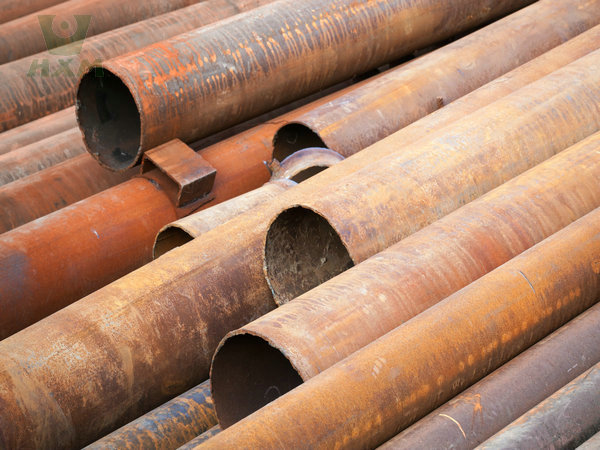
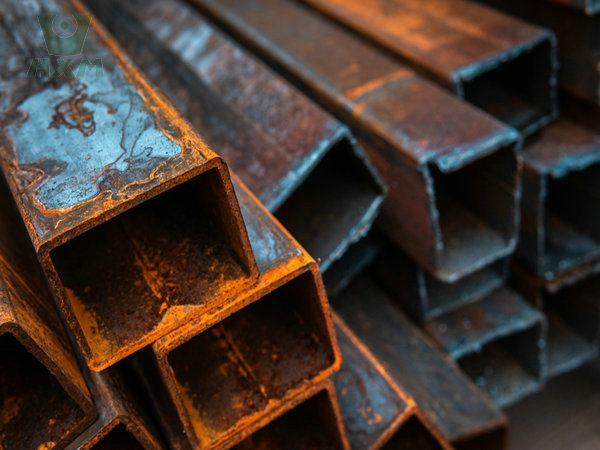
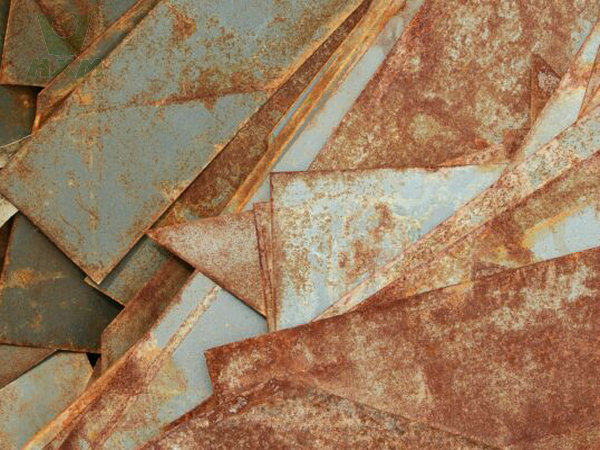
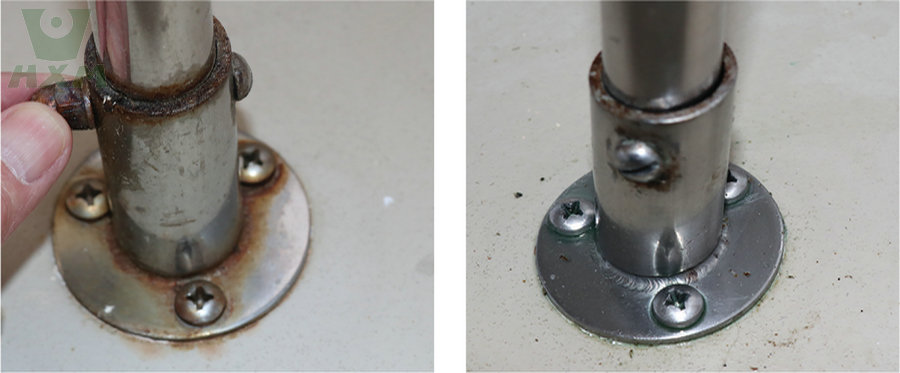
Despite its name, stainless steel alloys is not entirely immune to rust. Its corrosion resistance stems from a passive chromium oxide (Cr₂O₃) layer that forms on the surface. Rust occurs when:
Chloride or sulfur contaminants disrupt the passive layer.
Iron particles from tools or environmental dust embed into the surface (galvanic corrosion).
Mechanical damage (scratches, abrasions) exposes the underlying iron to oxygen and moisture.
At Huaxiao Metal, our stainless steel alloys list (e.g., 316L with 2.5% Mo) are engineered to minimize these risks through optimized chemistry and surface treatments.
| Agent | Effectiveness | Safety | Environmental Impact |
|---|---|---|---|
| Phosphoric Acid | High | Moderate (gloves required) | Low |
| Citric Acid | Moderate | Safe | Biodegradable |
| Commercial Rust Removers | Very High | Variable | May contain toxins |
Why stainless steel can rust — technical background
“Stainless” steel does not mean “rust-proof.” Stainless alloys (≥ ~11% Cr) form an ultrathin chromium-oxide passive layer (Cr₂O₃) that blocks oxygen and moisture from oxidizing iron in the bulk metal. If that layer is breached, depleted, or covered with iron contamination (steel particles, filings), iron can oxidize and produce reddish rust or brown staining. External chloride (salt) and mechanical or heat damage can also disrupt passivity and produce pitting or “rouge.”
Key mechanisms
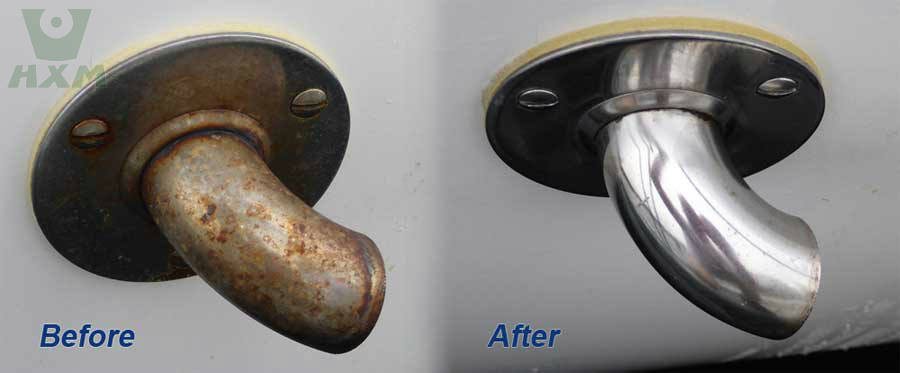
Surface contamination: Iron particles from tools, brushes, or wire wheels deposit on the stainless surface and rust off stainless steel externally.
Passive film damage / chloride attack: Saltwater or bleach can attack/passivate the chromium oxide, enabling local corrosion.
Heat tint / rouge: High-temperature exposure may change oxide chemistry and look like staining.
Diagnose the stain: rust or something else?
Stainless steel owes its corrosion resistance to a passive chromium oxide (Cr₂O₃) film formed spontaneously when chromium content exceeds 10.5%. However, environmental factors such as chloride exposure, mechanical damage, or improper material selection can disrupt this protective layer, leading to localized corrosion. This paper examines rust removal methodologies, emphasizing surface restoration techniques that preserve material integrity.
True rust (iron oxide): reddish-brown, flakes possible; often magnetic residue nearby.
Iron contamination / rouge: thin brown streaks from external iron — passive layer underneath usually intact.
Heat tint / heat scale: bluish, blackish or dark discoloration after welding/brazing.
A quick test: rub with a damp white cloth — if brown transfers, it’s likely loose iron deposits (removable). For stubborn or unknown cases, choose a mild test method on a hidden area first.
Methods of Rust off — Step-by-step
Effective rust removal from stainless steel requires a multi-stage approach combining mechanical preparation, chemical treatment, and electrochemical refinement. The choice of method depends on corrosion severity, material grade, and application requirements. Industrial case studies demonstrate that proper restoration can extend component lifespan by 3-5× compared to untreated surfaces. Future research should focus on developing eco-friendly passivation agents and real-time corrosion monitoring systems.
A — Gentle home methods
Soap & water + soft cloth (work with the grain). Always test first.
Baking-soda paste: 3 parts baking soda + 1 part water → apply, wait 5–15 min, rub gently with soft cloth/nylon pad, rinse. Safe for most finishes.
Vinegar or lemon + salt (acidic): small stains only; rinse well and dry immediately. Avoid long contact on brushed finishes.
B — Oxalic-acid based cleaners (most recommended for sinks, cookware stains)
Why they work: oxalic acid dissolves iron oxide stains and forms soluble complexes; many household stainless cleaners use oxalic or similar acids. Bar Keepers Friend is a well-known oxalic-acid cleaner with explicit instructions for stainless surfaces. Notes: Some finishes (brushed appliances) are sensitive — test in an inconspicuous spot; heavy or repeated use may slightly change appearance. Recent reporting cautions about streaks/discoloration on certain brushed panels when aggressive cleaners are used — use manufacturer guidance for high-grade appliances.
How to use (safe procedure):
Wet surface with warm water.
Apply product per label (powder or soft cleanser) to a soft cloth or non-abrasive pad. Work with the grain — avoid cross-grain scrubbing.
Do not leave acidic cleaners standing longer than manufacturer suggests; rinse thoroughly with water and dry.
If restoring luster, buff with a microfiber cloth along the grain.
C — Phosphoric acid rust converters / industrial commercial products
Mechanism: phosphoric acid reacts with iron oxides to form iron phosphate (a more stable, sometimes protective compound) and helps free rust so it can be rinsed away. Commercial rust off stainless steel converters or phosphoric acid cleaners are used when oxalic acid or abrasives are insufficient.
How to use (professional):
Follow product SDS and label: wear PPE, goggles, gloves, ventilation.
Apply to rusted area, allow recommended dwell time, agitate lightly with non-metal pad if needed, neutralize/rinse thoroughly.
Consider a passivation step (see §6) for critical or food-contact parts after cleaning.
D — Mechanical removal (when chemical alone isn’t enough)
Tools: non-metal scouring pads (nylon Scotch-Brite), fine abrasive pads for polishing (use with care), fine grit sandpaper for localized spots (very careful), polishing paste for final finish.
Best practice:
Always move with the grain.
Avoid carbon steel wool — it leaves iron filings that will rust again. If you used any steel brushes or wheels earlier, remove iron contamination chemically (oxalic) and then passivate.
E — What not to do (important cautions)
Do not use strong chlorinated bleaches frequently — chlorides can damage the passive film and accelerate corrosion. Rinse immediately if bleach contacts stainless.
Avoid ordinary steel wool or carbon steel brushes — they deposit iron that rusts. Use rust off stainless steel brushes or nylon pads if mechanical action is required.
Electrolytic/electrolysis removal for stainless steel: avoid using rust off stainless steel electrodes/anodes in DIY electrolysis setups — this can release toxic chromium species and deplete chromium, harming the alloy. Electrolysis is generally not recommended for stainless parts except under controlled industrial conditions.
In Conclusion
Rust off stainless steel is preventable and manageable through scientific methods and material optimization. While DIY approaches suffice for minor cases, professional-grade techniques and premium materials are essential for industrial applications.Huaxiao Metal Supplier combines metallurgical innovation with practical solutions to deliver stainless steel products that resist rust off stainless steel and extend service life. Welcome to inquire and ask to the stainless steel alloys more information.
Partner with Us For:
Rust-resistant stainless steel tailored to your environment.
Certified passivation and electropolishing services.
Global technical support and maintenance programs.
Rust off stainless steel alloys is almost always a surface issue caused by a damaged protective layer. By adopting a consistent, gentle cleaning routine, avoiding abrasives, and selecting the appropriate alloy for your needs, you can effectively prevent rust from ever forming.
For projects where failure is not an option, investing in a higher-grade alloy like 316 and professional treatments like passivation is the ultimate safeguard.
FAQ
Is there a way to make stainless steel completely rust-proof?
No, stainless steel is corrosion-resistant, not rust-proof. Under the right conditions (e.g., prolonged exposure to strong chlorides, physical damage to the surface), all grades can potentially rust. However, following the prevention tips in this guide will maximize its resistance and make rust a very rare occurrence.
How often should I clean my stainless steel to prevent rust?
For everyday items like appliances and sinks, a quick wipe-down with a damp cloth after use is ideal. A more thorough cleaning with an appropriate cleaner should be done weekly or bi-weekly. In harsh environments (coastal, industrial), rinsing with fresh water daily and a thorough clean weekly is recommended.
What is the best homemade cleaner for preventing rust on stainless steel?
A solution of equal parts white vinegar and water in a spray bottle is effective for routine cleaning and removing light contaminants. Always wipe dry with a soft cloth after cleaning. Avoid using bleach or abrasive powders.
Does the "grade" of stainless steel really matter for rust prevention?
Absolutely. The grade is the most important factor. For example, choosing Grade 316 over Grade 304 for an outdoor sculpture near the ocean will dramatically increase its lifespan and reduce maintenance. Always select the grade suited for your specific environment.
What is passivation and is it necessary?
Passivation is a professional chemical process that removes free iron particles from the surface and maximizes the natural chromium oxide layer. It is highly recommended after fabrication (like welding or cutting) to restore corrosion resistance. For typical consumer items, it’s not usually necessary, but for critical industrial components, it’s essential.